
Architectural drafting demands unparalleled precision. Traditional drafting tools often present challenges, such as time-consuming modifications and coordination issues between design and execution. Ultra Fine Tip Dry Erase Markers meet the rigorous demands of architectural work. For example, the TWOHANDS Ultra Fine Tip Dry Erase Marker provides distinct advantages over standard alternatives. These Dry Erase Markers with 2 Eraser ensure clean, efficient revisions, addressing common pain points in the design process.
Key Takeaways
- Ultra-fine tip dry erase markers help architects draw very small details. They make lines clear and precise for building plans.
- These markers stop smudges and ghosting. Their ink dries fast, keeping drawings clean and easy to read.
- Architects use these markers often. They have strong tips and ink that flows well, so they last a long time.
Unmatched Precision with Ultra Fine Tip Dry Erase Markers
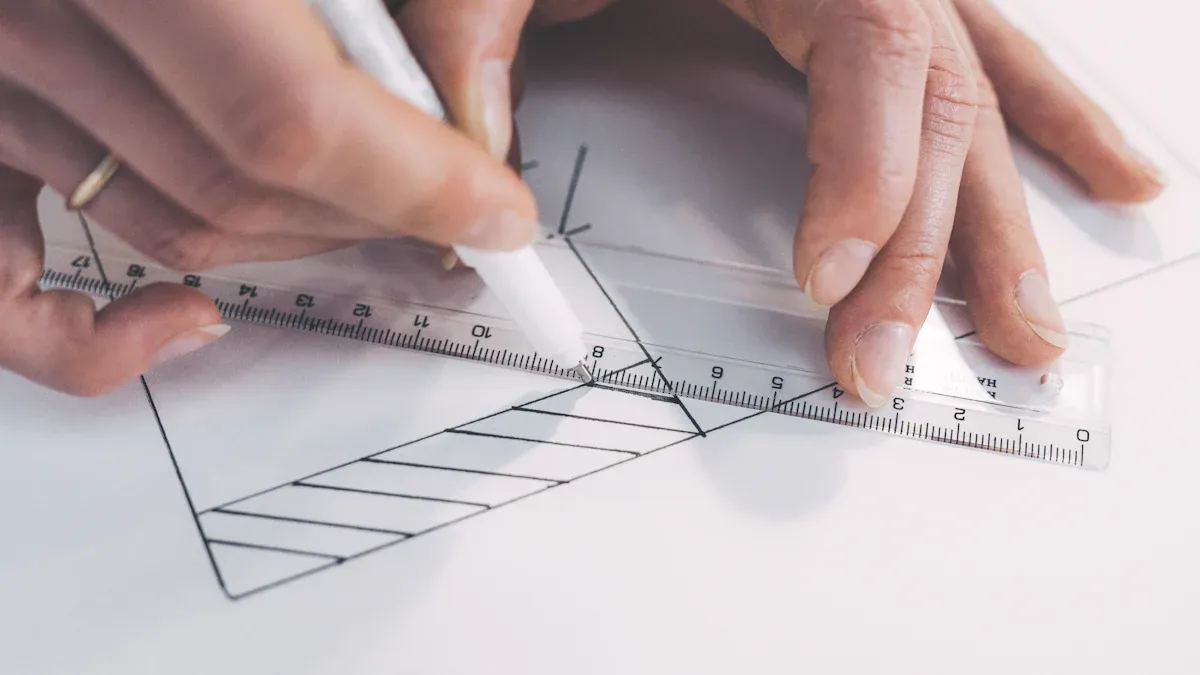
Architects demand exceptional precision in their work. Every line, every annotation, and every detail on a drawing carries significant meaning. Ultra Fine Tip Dry Erase Markers provide the exact control architects need to translate complex ideas into clear, actionable plans. These specialized tools ensure that design intent remains unambiguous throughout the drafting process.
Fine Lines for Detailed Schematics
Creating detailed schematics requires the ability to draw extremely fine lines. A marker’s tip significantly influences line quality, coverage, and control. Markers with identical ink formulations can yield vastly different results based on their nib. Fine and extra-fine tips are specifically recommended for precision work, technical drawing, and outlining details. They are ideal for precise details, line work, and outlining, enabling controlled, clean lines. Architects and drafters require markers that provide consistent line quality and precision. Alcohol-based markers, for instance, are preferred for technical drawings, floor plans, and blueprints because they offer a range of line widths and resist smearing or smudging. This capability allows architects to render intricate components and connections with clarity.
Small Annotations and Revisions
Architectural plans frequently undergo revisions and require small, precise annotations. Fineliner pens, which have fine fiber tips, offer the predictability and precision of technical pens. They are easier to use than traditional technical pens, requiring no special care. Fineliners are available in a wide range of tip sizes, making them suitable for various detailed tasks. They produce clean, graphic lines essential for intricate illustrations, which translates well to small, precise annotations. An architect frequently uses an ultra-fine point permanent marker for creating thin lines in their sketches, indicating its utility for detailed work on architectural drawings. Micro pens are specifically designed for precise, detailed work, making them ideal for small annotations. They feature fine tips that produce clear, consistent lines, ensuring accuracy in intricate designs. The availability of ultra-fine tips allows for delicate work, crucial for small details on architectural drawings. Their smooth ink flow prevents skips or blobs, maintaining the neatness of small markings. These qualities make Ultra Fine Tip Dry Erase Markers indispensable for making clear, concise changes directly on a drawing.
Accuracy in Technical Drawings
Accuracy forms the bedrock of all technical drawings in architecture. Industry standards for line accuracy in architectural technical drawings emphasize appropriate precision for dimensions, considering construction tolerances. Most floor plan dimensions should be to the nearest half inch, and rarely to the nearest quarter inch, but never smaller. Overly precise dimensions, such as those to the nearest 256th of an inch from software, are generally inappropriate for construction work, as they exceed industry-standard construction tolerances. Architectural drawings utilize varying line weights to convey depth and priority. For instance, a ground plane line is typically the heaviest, followed by the perimeter of a structure. Interior geometry lines use medium weights, and hatching uses the lightest pen weight. The consistent, sharp lines produced by ultra-fine tips help architects adhere to these standards. They ensure every element, from structural outlines to detailed cross-sections, communicates its intended information without ambiguity.
Enhanced Clarity and Readability for Architectural Plans
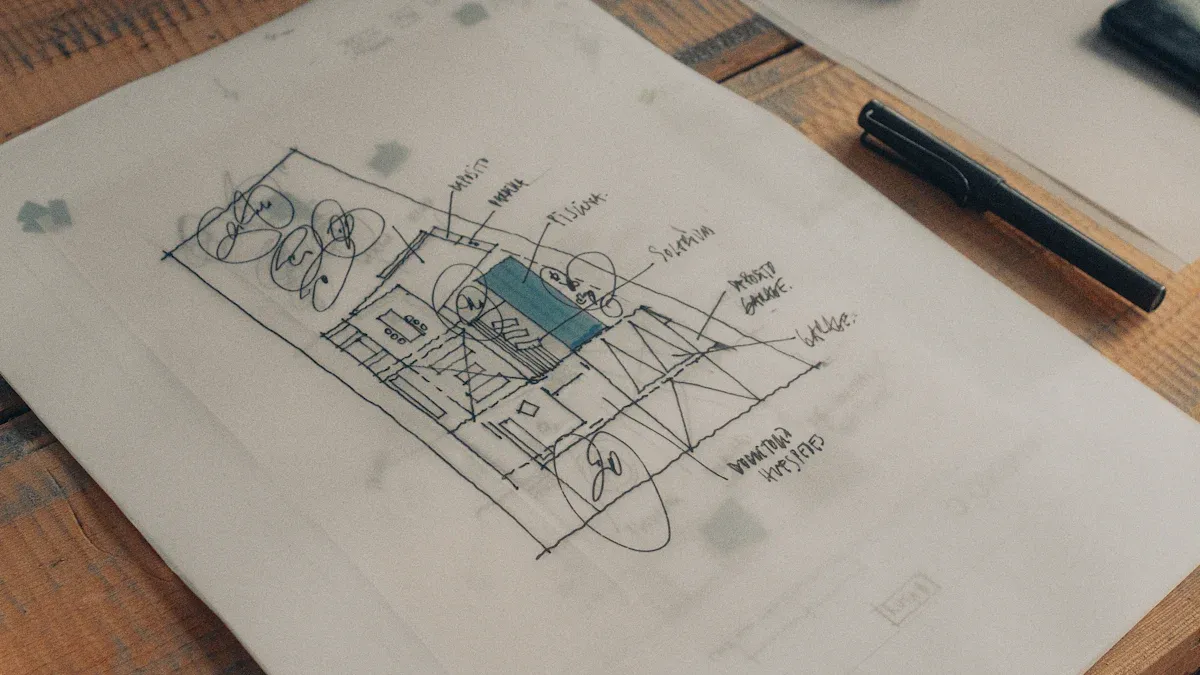
Architectural plans require clear communication. Readability ensures everyone understands the design intent. Ultra Fine Tip Dry Erase Markers significantly improve the clarity of architectural drawings. They help architects present their work effectively.
Preventing Smudges and Ghosting
Smudges and ghosting compromise the clarity of architectural plans. Architects need tools that maintain a clean appearance. Quick-dry ink in these markers resists smudging during fast-paced writing. The ink dries in under two seconds. This significantly reduces accidental smears. Quick-drying ink prevents smudges and resists ghosting on whiteboards. Ink drying in under two seconds virtually eliminates accidental hand smears during note-taking.
Dry erase marker ink contains pigments and alcohol. The alcohol rapidly evaporates. It leaves behind a thin, removable film. The ink also incorporates waxy materials dispersed in water. These form a film that adheres sufficiently to be visible. Users can remove it without harsh solvents. Additionally, a silicone-based polymer, which is oily and slippery, is used in the ink. This prevents it from strongly adhering to non-porous surfaces like glass or whiteboards. This ensures the ink remains on the surface. Users can easily wipe it off. A release agent in the ink further prevents permanent bonding to non-porous surfaces.
Clean Professional Presentations
Architects often present their designs to clients and colleagues. Professional presentations demand clean and legible visuals. Ultra Fine Tip Dry Erase Markers produce crisp, clear lines. These lines enhance the overall professionalism of architectural plans. The absence of smudges and ghosting ensures a polished look. This clarity helps convey complex ideas effectively. It also builds confidence in the design. Clean drawings reflect attention to detail. This is a crucial aspect of architectural practice.
Legibility on Whiteboards and Glass
Architects frequently use whiteboards and glass surfaces for collaborative design sessions. Optimal surface types for legibility include whiteboards, glass, and laminated materials. The legibility of architectural plans on these surfaces is paramount.
Glass whiteboards can have significant glare. This glare makes reading difficult from certain angles, especially in brightly lit rooms. Porcelain whiteboards generally have a matte finish. This reduces glare and improves readability from various angles. A highly reflective surface on glass can sometimes hinder readability. This occurs particularly with certain markers or lighting conditions. Porcelain whiteboards offer a smooth, low-glare surface. This provides excellent contrast for markers. It enhances readability for all viewers. Both types are very durable. They resist scratches, stains, and ghosting. Glass whiteboards are made from tempered glass. They are shatter-resistant. Porcelain whiteboards have a porcelain enamel surface fused to steel. Both are easy to clean. Markers wipe off effortlessly without leaving residue. Glass whiteboards offer a modern, sleek appearance. Porcelain whiteboards have a traditional opaque white look. Both are virtually ghost-free, even with prolonged use.
| Feature | Glass Whiteboards | Porcelain Whiteboards |
|---|---|---|
| Glare | Can have significant glare, especially in brightly lit rooms, making it difficult to read from certain angles. | Generally have a matte finish, which reduces glare and improves readability from various angles. |
| Readability | Highly reflective surface can sometimes hinder readability, particularly with certain markers or lighting conditions. | Smooth, low-glare surface provides excellent contrast for markers, enhancing readability for all viewers. |
| Durability | Extremely durable and resistant to scratches, dents, and ghosting. Made from tempered glass, they are shatter-resistant. | Very durable, resistant to scratches, stains, and ghosting. The porcelain enamel surface is fused to steel. |
| Maintenance | Easy to clean; markers wipe off effortlessly without leaving residue. | Easy to clean; markers wipe off effortlessly without leaving residue. |
| Appearance | Modern, sleek, and often translucent, adding a contemporary look to any office space. | Traditional whiteboard appearance, typically opaque white. |
| Cost | Generally more expensive than porcelain whiteboards. | Generally less expensive than glass whiteboards. |
| Installation | Heavier and may require more robust mounting hardware. | Lighter and easier to install. |
| Magnetic Properties | Some glass whiteboards are magnetic, but not all. This feature depends on a steel backing. | All porcelain whiteboards are magnetic due to their steel core. |
| Ghosting | Virtually ghost-free, even with prolonged use of dry-erase markers. | Virtually ghost-free, even with prolonged use of dry-erase markers. |
| Environmental Impact | Made from recyclable materials. | Made from recyclable materials. |
Durability and Consistent Performance of Ultra Fine Tip Dry Erase Markers
Architects rely on their tools to perform consistently. Ultra Fine Tip Dry Erase Markers offer the durability and performance necessary for demanding architectural work. These markers withstand frequent use and maintain their quality over time.
Reliable Ink Flow for Sustained Use
Consistent ink flow is critical for architects. It prevents interruptions during drafting. Optimized ink flow ensures a smooth writing experience. This prevents skipping or blotching on the surface. Durable tips resist fraying or pushing in. This ensures consistent line width. It also reduces the need for frequent replacements. Effective cap types prevent ink from drying out. This maintains the marker’s readiness for use. Architects can trust these markers for continuous, precise work.
Longevity for Frequent Drafting Sessions
Architects engage in frequent drafting sessions. They need markers that last. Proper care extends marker life. Storing markers sideways ensures consistent ink exposure to the nib. This prolongs product life. Maintaining room temperature storage avoids extreme temperature changes. This prevents leaks and preserves ink quality. Immediately replacing marker caps after use prevents ink evaporation. This maintains readiness. Regularly cleaning whiteboards prevents ink buildup and ghosting. This helps maintain marker performance. These practices ensure markers remain effective for many sessions.
Resistance to Fading and Bleeding
Architectural drawings must remain clear and legible. Fading and bleeding compromise clarity. Zig Posterman Waterproof Markers feature ink resistant to UV light. This prevents fading. On porous surfaces like paper or canvas, the ink creates an opaque, permanent, and light-fast mark. These markers are available with ultra-fine tips, including 0.5mm and 1mm sizes. This UV resistance ensures architectural plans retain their vibrancy. It maintains clarity over time. This is crucial for long-term reference and presentation.
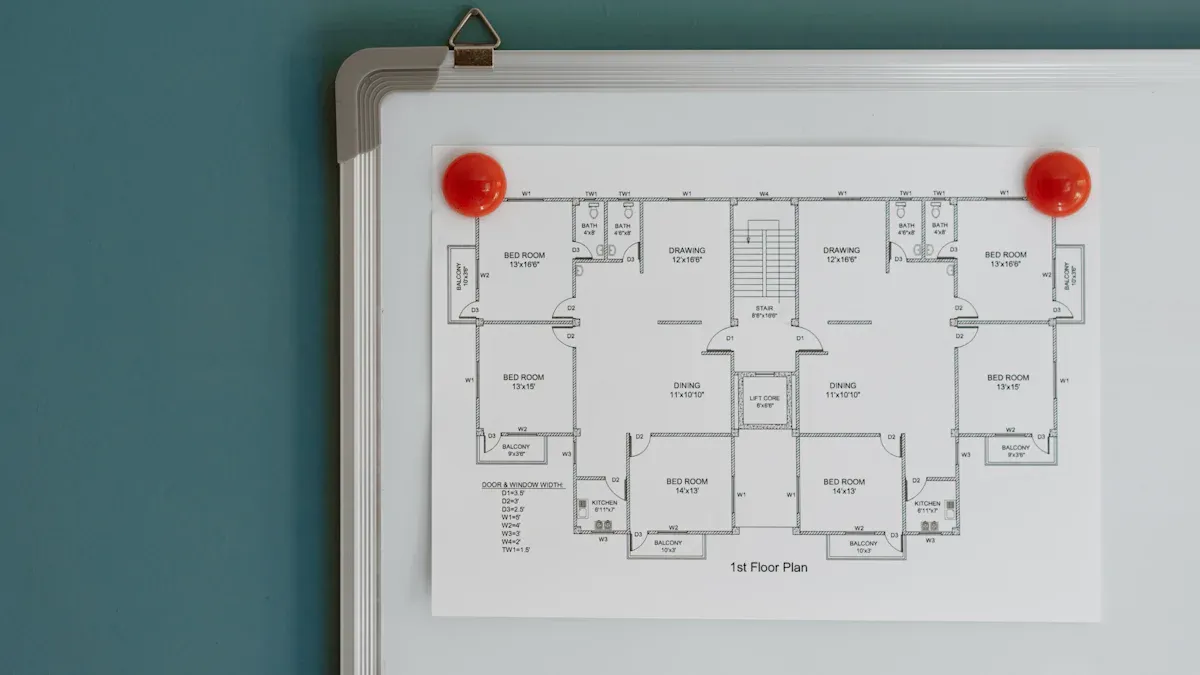
Architects consider Ultra Fine Tip Dry Erase Markers indispensable tools. Their exceptional precision, enhanced clarity, and robust durability significantly elevate drafting quality. These markers are essential for achieving efficient and accurate architectural design. They empower architects to communicate complex ideas effectively.
FAQ
What makes ultra-fine tip dry erase markers ideal for architectural drafting?
Architects value ultra-fine tips for their precision. They allow for detailed schematics and small, accurate annotations. This precision ensures clarity in complex technical drawings.
How do these markers prevent smudges and ghosting on whiteboards?
Ultra-fine tip dry erase markers feature quick-dry ink. This ink dries in under two seconds, preventing accidental smears. A special release agent in the ink also ensures easy, residue-free removal.
Do these markers offer consistent performance during long drafting sessions?
Yes, these markers provide reliable ink flow and durable tips. They resist fraying and maintain consistent line width. Proper storage and cap replacement further extend their longevity for frequent use.
Post time: Dec-08-2025
