
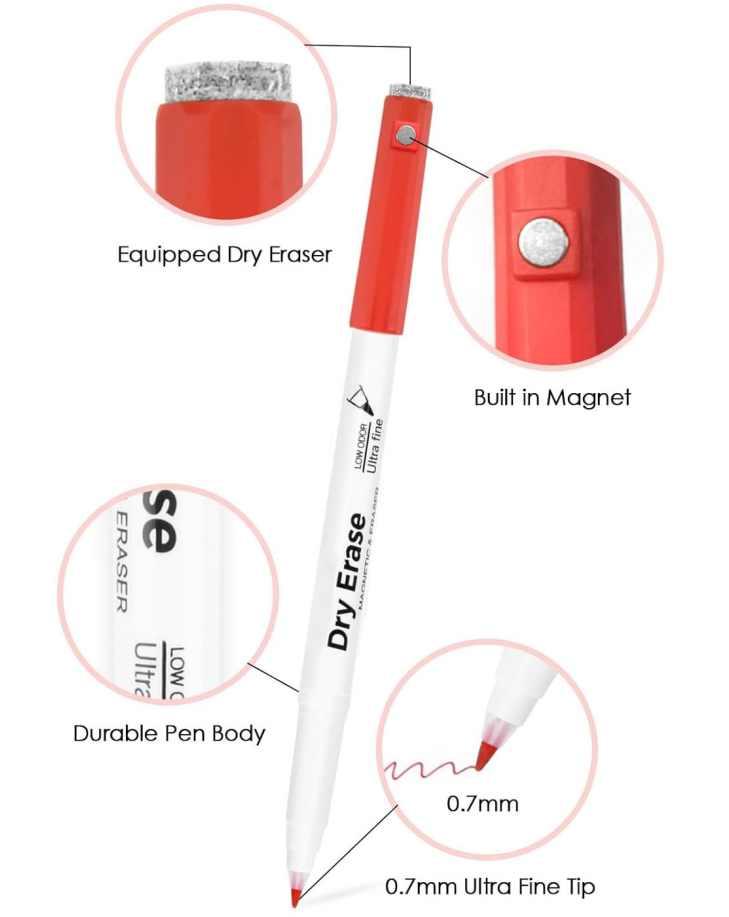
Discover essential strategies to keep Ultra Fine Tip Dry Erase Markers performing like new. Learn practical tips for storage, usage, and care. These methods significantly extend their lifespan and maintain precision. Proper handling ensures the consistent quality of TWOHANDS Ultra Fine Tip Dry Erase Markers, including TWOHANDS Dry Erase Markers with 2 Eraser.
Key Takeaways
- Cap your markers tightly right after you use them. Store them flat to keep the ink flowing well.
- Use gentle pressure when you write. Write only on clean, smooth boards to protect the marker tip.
- You can try to fix dry markers. Shake them or dip the tip in alcohol or warm water for a short time.
Essential Storage for Ultra Fine Tip Dry Erase Markers

Proper storage significantly impacts the lifespan and performance of dry erase markers. Implementing effective storage habits prevents premature drying and maintains the precision of the fine tips.
Always Cap Your Ultra Fine Tip Dry Erase Markers Securely
Securing the cap on a dry erase marker immediately after use is the most critical step for longevity. An uncapped marker or a cap that does not fasten securely allows air exposure. This exposure is the most frequent cause of dry-out. Air causes the ink solvents to evaporate quickly, leading to a faded or non-functional marker. Always listen for a click or feel a firm seal when replacing the cap. This simple action protects the ink and preserves the marker’s readiness for future use.
Optimal Horizontal Storage for Even Ink Flow
Storing dry erase markers horizontally ensures an even distribution of ink throughout the barrel and tip. When individuals store a marker vertically, gravity pulls the ink away from the tip. This causes the tip to dry out due to a lack of saturation. Horizontal storage keeps the ink consistently in contact with the felt tip, preventing it from drying prematurely. This method ensures the marker delivers a consistent, vibrant line every time.
Protecting Ultra Fine Tip Dry Erase Markers from Extreme Temperatures
Extreme temperatures pose a significant threat to the ink formulation within dry erase markers. Direct sunlight can rapidly dry the ink, even if the marker is capped. High heat accelerates ink evaporation, especially if the tip has any exposure. Conversely, very cold temperatures can thicken the ink, making it difficult to flow smoothly. Store Ultra Fine Tip Dry Erase Markers in a cool, dry place away from direct sunlight, heaters, or air conditioning vents. This protects the ink’s consistency and prevents damage to the marker’s internal components.
Best Practices for Using Ultra Fine Tip Dry Erase Markers

Effective usage practices are crucial for maintaining the precision and extending the life of Ultra Fine Tip Dry Erase Markers. Adopting these habits ensures consistent performance and preserves the marker’s delicate components.
Apply Gentle Pressure to Preserve the Fine Tip
Users must apply gentle pressure when writing with these markers. The fine tip, designed for intricate details, is delicate. Excessive force can splay the felt tip, causing it to fray or flatten. A damaged tip results in thicker, inconsistent lines and reduces the marker’s ability to create precise markings. Gentle pressure allows the ink to flow smoothly and evenly, preserving the tip’s original shape and ensuring crisp, clear writing. This practice directly contributes to the marker’s longevity and consistent output.
Write Only on Clean, Smooth Surfaces
The surface on which one writes significantly impacts marker performance and tip integrity. Writing on dirty or rough whiteboards can abrade the fine tip, leading to premature wear. Dust, grime, or residue from other markers can also clog the tip, impeding ink flow and causing streaks or faded lines.
Tip: Regularly clean whiteboards with a proper dry erase cleaner. A clean, smooth surface allows the marker to glide effortlessly, ensuring optimal ink transfer and protecting the delicate tip from damage. This simple step prevents unnecessary wear and tear on the marker.
Avoid Leaving Ultra Fine Tip Dry Erase Markers Uncapped
Even during brief pauses in writing, individuals should cap their Ultra Fine Tip Dry Erase Markers. The ink formulation in dry erase markers contains fast-evaporating solvents. Leaving a marker uncapped, even for a few minutes, exposes the tip to air, causing the ink to dry out quickly. This rapid drying can lead to a clogged tip or a faded ink flow upon resuming use. Always replace the cap securely after each use or during short breaks to prevent ink evaporation and maintain the marker’s readiness for the next task. This habit is essential for preserving the marker’s functionality and ensuring a consistent writing experience.
Reviving and Troubleshooting Common Ultra Fine Tip Dry Erase Marker Issues
Even with diligent care, dry erase markers can sometimes exhibit performance issues. Understanding how to troubleshoot and revive them can significantly extend their usability. These methods offer solutions for common problems, helping users maintain consistent performance.
The “Shake and Store” Method for Faint Ink Flow
A faint or inconsistent ink flow often indicates that the ink pigments have settled within the marker barrel. This issue does not necessarily mean the marker is dry. Users can often resolve this problem with a simple “shake and store” method. First, hold the marker firmly and shake it gently for about 10-15 seconds. This action helps to redistribute the ink evenly throughout the barrel. After shaking, store the marker horizontally for at least 15-30 minutes. This allows gravity to assist the ink in flowing consistently back into the fine tip. This method often restores the marker’s vibrant ink output.
Cleaning a Clogged Ultra Fine Tip Dry Erase Marker
A clogged tip can prevent ink from flowing smoothly, leading to skipping or faded lines. This clogging often results from dried ink residue or small particles accumulating on the delicate felt tip. To clean a clogged marker, gently wipe the tip with a clean, lint-free cloth slightly dampened with water or a small amount of rubbing alcohol. Avoid excessive pressure or scrubbing, as this can damage the fine tip. The moisture helps to dissolve any dried ink, while the gentle wiping removes debris. After cleaning, allow the tip to air dry for a moment before testing the marker on a scrap surface.
Reviving Dry Ultra Fine Tip Dry Erase Markers with Alcohol or Warm Water
When a marker appears completely dry, with a hard or stiff tip, users can attempt revival using alcohol or warm water. These methods aim to re-wet the dried ink within the tip.
- Alcohol Method: Briefly dip the marker’s tip into a small amount of rubbing alcohol (isopropyl alcohol) for no more than 5-10 seconds. Alcohol acts as a solvent, helping to dissolve the dried ink that has hardened in the tip.
- Warm Water Method: Alternatively, dip the tip into warm (not hot) water for a similar duration. Warm water can soften the dried ink, allowing it to flow again.
Important Note: Ensure only the tip makes contact with the liquid. Avoid submerging the entire marker, as water or alcohol can dilute the ink inside the barrel, permanently damaging the marker. After dipping, recap the marker and store it horizontally for a few hours to allow the ink to redistribute. Test the marker on a scrap surface before use. These methods offer a chance to extend the life of seemingly dead markers, though success is not always guaranteed.
When to Replace Your Ultra Fine Tip Dry Erase Markers
Despite best efforts in maintenance and revival, every marker eventually reaches the end of its lifespan. Recognizing when to replace an Ultra Fine Tip Dry Erase Marker saves time and frustration. Consider replacement when:
- The tip is severely frayed, flattened, or damaged beyond repair, consistently producing inconsistent lines.
- The ink flow remains faint or completely absent, even after attempting all revival methods.
- The marker consistently skips or streaks, indicating a permanent issue with ink delivery or tip integrity.
- The marker has been stored improperly for an extended period, leading to irreversible ink evaporation.
Replacing markers at the appropriate time ensures users always have reliable tools for their detailed work. High-quality markers, such as those from TWOHANDS, offer extended durability with proper care, but even they have a finite life.
Advanced Tips for Maximizing Ultra Fine Tip Dry Erase Marker Lifespan
Implementing advanced strategies further enhances the longevity and performance of dry erase markers. These tips focus on environmental factors and product selection, ensuring markers remain in prime condition.
The Importance of Whiteboard Cleanliness for Marker Longevity
Maintaining a clean whiteboard surface directly impacts marker lifespan. A dirty or grimy board can abrade the delicate marker tips, causing premature wear and inconsistent ink flow. Residue from old ink or dust can also clog the fine tips. Experts recommend regular cleaning. A mixture of isopropyl alcohol and water (30/70) effectively removes ghosting and stubborn marks. Plain water often suffices for daily cleaning. Users can also employ a microfiber cleaning cloth or a dedicated whiteboard cleaner. For daily use, such as in classrooms, cleaning the board daily is advisable. For office use, cleaning before rewriting content or at least every few weeks maintains optimal surface conditions. This practice protects the markers and ensures consistent performance.
Organizing Your Ultra Fine Tip Dry Erase Markers for Efficiency
Effective organization of Ultra Fine Tip Dry Erase Markers contributes significantly to their lifespan. Keeping markers in a designated holder or tray prevents them from rolling off surfaces or getting misplaced. Proper organization ensures users can quickly find and cap markers after use, preventing accidental drying. It also reduces the chance of physical damage to the tips or barrels. An organized system promotes good habits, leading to better marker care and extended usability.
Considering Durable Brands like TWOHANDS for Quality Markers
Choosing high-quality brands significantly impacts marker durability. Reputable manufacturers invest in superior ink formulations and robust tip construction. Brands like TWOHANDS, for example, design their markers for consistent performance and extended life. These markers often resist drying out more effectively and maintain their fine tips longer under regular use. Investing in quality markers reduces the frequency of replacements and ensures reliable tools for detailed work.
Implementing these simple yet effective practices significantly extends the life of Ultra Fine Tip Dry Erase Markers. Users enjoy consistent performance, save money, and always have reliable tools for their detailed work. Make these essential habits part of a routine for lasting marker quality.
FAQ
How can I prevent my Ultra Fine Tip Dry Erase Markers from drying out quickly?
Always cap markers securely immediately after use. Store them horizontally. This prevents air exposure and ensures even ink distribution, extending their life.
Can I revive a dry Ultra Fine Tip Dry Erase Marker?
Yes, sometimes. Try the “shake and store” method. For very dry markers, briefly dip the tip in rubbing alcohol or warm water. Then, recap and store horizontally.
How often should I clean my whiteboard for optimal marker performance?
Clean whiteboards regularly. For daily use, clean daily. For less frequent use, clean before rewriting content or at least every few weeks. This protects marker tips.
Post time: Dec-15-2025
