
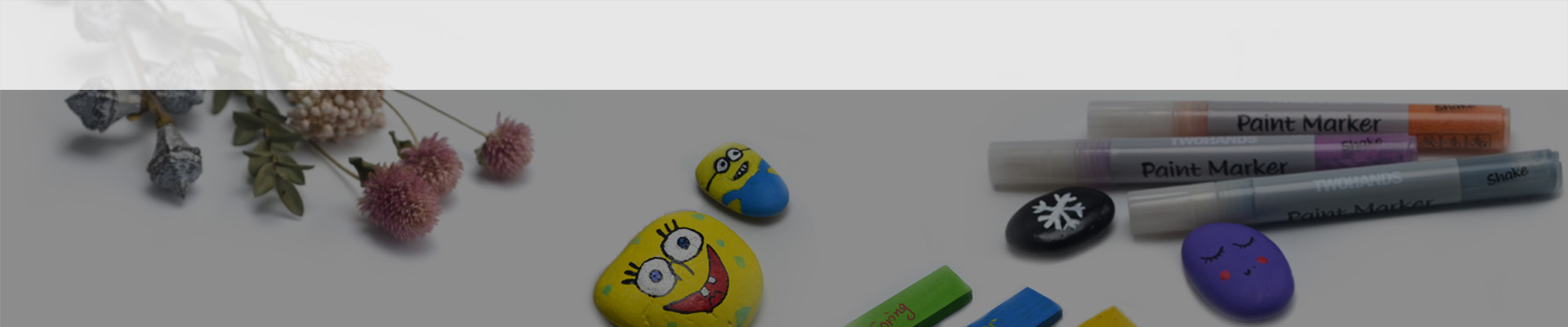
The environmental impact of traditional dry erase markers raises significant concerns. These markers often contain harmful chemicals and contribute to plastic waste. Eco-friendly innovations in the marker industry play a crucial role in addressing these issues. As awareness grows, consumers increasingly seek sustainable alternatives in everyday office supplies, including ultra fine tip dry erase markers.

Key Takeaways
- Eco-friendly dry erase markers reduce health risks by using non-toxic inks and safer materials, making them a better choice for classrooms and sensitive environments.
- Switching to refillable markers can save consumers up to 50% on marker expenses over time while significantly reducing plastic waste.
- Choosing brands that prioritize sustainable practices, like using recycled materials and biodegradable components, supports a healthier planet and meets growing consumer demand for eco-friendly products.
Environmental Impact of Ultra Fine Tip Dry Erase Markers
Chemical Composition
Ultra fine tip dry erase markers often contain various chemicals that pose health and environmental risks. Understanding these components is crucial for recognizing the need for eco-friendly alternatives. The following table outlines some common chemicals found in these markers, along with their associated health and environmental risks:
| Chemical | Health Risks | Environmental Risks |
|---|---|---|
| Toluene | Linked to neurological effects such as dizziness and headaches. | Contributes to indoor air pollution. |
| Xylene | Can irritate eyes, skin, and respiratory system. | Found in some marker inks, contributing to pollution. |
| Phthalates | Known endocrine disruptors linked to reproductive issues. | Used in plastics, making them difficult to recycle. |
| Polystyrene | N/A | Difficult to recycle and contributes to environmental pollution. |
| Polypropylene | N/A | Petroleum-based plastic that poses sustainability concerns. |
These chemicals not only affect human health but also contribute to broader environmental issues. The presence of volatile organic compounds (VOCs) in many markers can lead to poor indoor air quality. As consumers become more aware of these risks, the demand for safer alternatives increases.
Waste Generation
The waste generated by ultra fine tip dry erase markers is another significant concern. Traditional markers often end up in landfills, where they can take hundreds of years to decompose. The plastic components, such as polystyrene and polypropylene, are particularly problematic due to their non-biodegradable nature.
Moreover, the disposal of these markers contributes to the growing plastic pollution crisis. According to recent studies, millions of dry erase markers are discarded each year, exacerbating the environmental burden. Transitioning to eco-friendly options can significantly reduce this waste. Brands like TWOHANDS are leading the way by developing markers designed for longevity and recyclability, thus minimizing their environmental footprint.
By understanding the chemical composition and waste generation associated with ultra fine tip dry erase markers, consumers can make informed choices. Opting for eco-friendly alternatives not only benefits individual health but also supports a more sustainable future.
Current Eco-Friendly Materials for Ultra Fine Tip Dry Erase Markers
Biodegradable Plastics
Biodegradable plastics represent a significant advancement in the production of ultra fine tip dry erase markers. These materials break down more easily in the environment compared to traditional plastics. Manufacturers are increasingly adopting biodegradable options to reduce the environmental impact of their products.
Some common types of biodegradable plastics include:
- PLA (Polylactic Acid): Derived from renewable resources like corn starch, PLA is compostable and reduces reliance on fossil fuels.
- PHA (Polyhydroxyalkanoates): Produced by microbial fermentation, PHA is fully biodegradable and can decompose in various environments, including marine settings.
Using biodegradable plastics in marker production not only minimizes waste but also aligns with the growing consumer demand for sustainable products. As brands like TWOHANDS innovate with these materials, they contribute to a cleaner planet.
Non-Toxic Inks
Non-toxic inks are another crucial component of eco-friendly ultra fine tip dry erase markers. These inks utilize safer ingredients that pose fewer health risks. Unlike traditional inks, which often contain harmful solvents, non-toxic inks employ reduced-vapor solvents and polymer-based formulations. This shift enhances safety, especially in sensitive environments such as classrooms.
The main ingredients in non-toxic inks include:
| Ingredient | Function |
|---|---|
| Pigments | Provide visible color and are suspended in a solvent base. |
| Solvents | Typically alcohols like isopropanol or ethanol that evaporate quickly, leaving a dry mark. |
| Release Agents | Polymers or silicone compounds that prevent permanent bonding, allowing easy erasure. |
Non-toxic markers often comply with regulatory standards, ensuring safety for users. Many of these markers meet ASTM D-4236 or ACMI AP certification standards, which confirm their suitability for art and educational use. This commitment to safety and sustainability makes non-toxic inks a preferred choice for environmentally conscious consumers.
By embracing biodegradable plastics and non-toxic inks, manufacturers of ultra fine tip dry erase markers are paving the way for a more sustainable future. These innovations not only enhance product safety but also contribute to reducing the overall environmental footprint of office supplies.
Innovative Technologies in Ultra Fine Tip Dry Erase Markers
Refillable Marker Systems
Refillable marker systems represent a significant advancement in the quest for sustainability in office supplies. These systems allow users to refill their markers rather than dispose of them after use. This innovation can lead to a substantial reduction in plastic waste. Research indicates that refillable markers can decrease plastic waste by up to 70% compared to traditional disposable markers.
Here are some notable refillable marker systems:
| Marker System | Features | Cost Consideration |
|---|---|---|
| Pilot Frixion | Refillable, eco-conscious | Higher initial cost |
| AusPen Refill System | Long-term savings, eco-friendly | Higher initial cost |
Investing in refillable markers not only supports environmental efforts but also offers long-term savings for consumers.
Sustainable Manufacturing Processes
Leading manufacturers are adopting sustainable practices to minimize their environmental impact. These processes focus on using eco-friendly materials and reducing emissions during production. For example, Polyvision produces CeramicSteel surfaces from recyclable materials, providing a sustainable alternative to traditional options.
Other brands are also making strides in sustainability:
| Brand | Sustainable Practices |
|---|---|
| Dri Mark | Uses certified-safe standard inks and offers customizable marker services. |
| Clarus | Focuses on lowering emissions and waste while certifying products to meet sustainability standards. |
These sustainable manufacturing processes can significantly reduce the carbon footprint associated with producing ultra fine tip dry erase markers. By choosing brands that prioritize eco-friendly practices, consumers can contribute to a healthier planet.
Benefits of Eco-Friendly Ultra Fine Tip Dry Erase Markers
Health Advantages
Eco-friendly ultra fine tip dry erase markers offer significant health benefits compared to traditional markers. Many conventional markers contain solvents that can trigger respiratory or skin irritation, especially in sensitive individuals. For instance, Expo Dry Erase Markers are not hypoallergenic and may cause allergic reactions. Using these markers in well-ventilated areas is crucial to minimize exposure to volatile organic compounds (VOCs). In contrast, eco-friendly markers utilize non-toxic inks and safer materials, reducing the risk of health issues. This shift enhances safety, particularly in environments like classrooms where children are present.
Cost-Effectiveness Over Time
Switching to eco-friendly markers can lead to substantial long-term savings for organizations. By adopting refillable markers, companies can save up to 50% on marker expenses compared to disposable options. Refillable systems significantly reduce plastic waste and landfill contributions, aligning with sustainability goals. With proper maintenance, these markers can last for years, further enhancing their cost-effectiveness. The total cost of ownership for refillable markers can decrease by 30–60% over a 12-month period compared to traditional markers. This financial advantage, combined with the environmental benefits, makes eco-friendly ultra fine tip dry erase markers a smart choice for both health and budget-conscious consumers.
Market Trends in Eco-Friendly Products
Consumer Demand for Sustainability
The demand for eco-friendly products continues to rise, particularly among younger consumers. Millennials and Gen Z prioritize sustainability, with 60% of Millennials and 59% of Gen Z willing to pay more for eco-friendly options. This trend reflects a significant shift in consumer behavior, as individuals increasingly seek products that align with their values.
In North America, the market for eco-friendly ultra fine tip dry erase markers shows steady growth. The U.S. leads in research and development, while Canada benefits from clear regulations promoting sustainability. Mexico enhances supply chains, making eco-friendly products more accessible. In Europe, strict regulations and sustainability objectives drive similar growth, with Germany excelling in engineering and the U.K. at the forefront of innovation.
Growth of Eco-Conscious Brands
Eco-conscious brands are adopting various strategies to increase their market share. Many consumers express a willingness to pay more for sustainable products, with 80% indicating they would do so despite higher costs. Brands communicate transparently about costs, building trust with consumers.
Additionally, 55% of consumers remain skeptical about sustainability claims. To address this, brands partner with organizations like Plastic Bank to ensure traceable recycling. This partnership enhances consumer trust and validates sustainability efforts.
Furthermore, brands focus on consumer education, providing verifiable information about their sustainability practices. This approach helps prevent greenwashing and empowers consumers to make informed choices. As eco-conscious brands continue to innovate, they play a crucial role in shaping the future of sustainable office supplies.
Leading Brands in Sustainability
TWOHANDS: Innovations and Initiatives
TWOHANDS stands out as a leader in sustainability within the ultra fine tip dry erase markers market. Their GreenMark Pro marker exemplifies eco-friendly design. This marker consists of approximately 70% reclaimed plastic, significantly enhancing its sustainability. Additionally, it features a bio-recyclable additive that allows decomposition in anaerobic environments up to 50 times faster than conventional plastics. The remaining materials include calcium carbonate sourced from ground oyster shells and a bioadditive. Furthermore, TWOHANDS uses non-toxic, low-odor ink suitable for glass surfaces, ensuring safety for users.
The company’s commitment to sustainability has positively impacted its sales and brand reputation. The SunLeaf model, implemented on 183 farming households, demonstrates direct community engagement. This model has received high evaluations as an export-standard solution, enhancing the brand’s reputation. By connecting farmers to clean agricultural export markets, TWOHANDS helps overcome chemical residue barriers, potentially increasing sales.
Brand B: Commitment to Eco-Friendly Practices
Another notable brand in the eco-friendly marker space is Brand B. This company prioritizes sustainable practices throughout its production processes. Brand B focuses on using recycled materials and non-toxic inks, ensuring that their products are safe for both users and the environment. Their commitment to transparency in sourcing and manufacturing has garnered trust among consumers.
By adopting innovative technologies and sustainable materials, both TWOHANDS and Brand B are paving the way for a greener future in office supplies. Their efforts not only reduce environmental impact but also resonate with the growing consumer demand for sustainability.
Transitioning to eco-friendly dry erase markers is essential for reducing environmental impact. These markers, featuring recycled materials and non-toxic inks, offer significant benefits. As consumers prioritize sustainability, their purchasing decisions will influence companies to adopt greener practices. Embracing eco-friendly options fosters a healthier planet for future generations.
| Eco-Friendly Feature | Description | Benefits |
|---|---|---|
| Recycled Materials | Barrels made from post-consumer recycled plastic. | Reduces plastic waste and conserves resources. |
| Non-Toxic Ink | Ink free from harmful solvents like xylene and toluene. | Safer for users and indoor air quality. |
| Refillable Design | Markers that can be refilled with ink instead of discarded. | Minimizes plastic waste and long-term cost. |
| Biodegradable Components | Some brands use bioplastics or compostable parts. | Lowers environmental footprint at end-of-life. |
FAQ
What are the benefits of using eco-friendly dry erase markers?
Eco-friendly dry erase markers reduce health risks, minimize plastic waste, and support sustainable practices in office supplies.
How do refillable markers contribute to sustainability?
Refillable markers significantly decrease plastic waste by allowing users to reuse the same marker, reducing landfill contributions.
Are non-toxic inks safe for children?
Yes, non-toxic inks are safer for children, as they contain fewer harmful chemicals and comply with safety standards.
Post time: Mar-20-2026
