
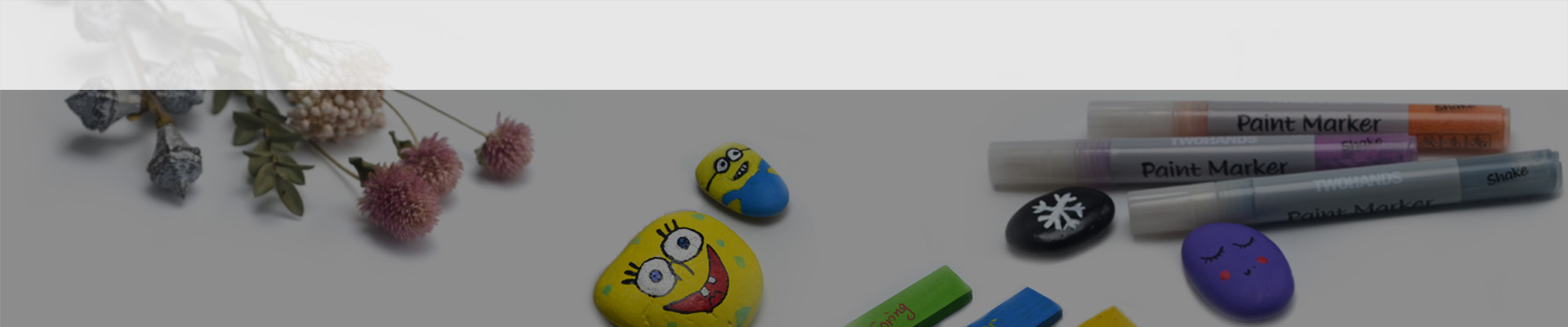
Ultra Fine Tip Dry Erase Markers offer temporary, erasable marks. Permanent markers create indelible, lasting impressions. The choice between these two tools hinges on the desired permanence and the surface being marked. Businesses often choose Wholesale Ultra Fine Tip Dry Erase Markers for practical applications. TWOHANDS Ultra Fine Tip Dry Erase Markers provide quality. These Ultra Fine Tip Dry Erase Markers are essential for many tasks.
Key Takeaways
- Dry erase markers make temporary marks. They are easy to wipe off smooth surfaces like whiteboards.
- Permanent markers make lasting marks. Their ink sticks strongly to many materials.
- Choose the right marker for your task. This prevents damage and helps your work look good.
Understanding Ink Composition and Mechanism

The Unique Ink of Ultra Fine Tip Dry Erase Markers
Ultra Fine Tip Dry Erase Markers create temporary marks. Their ink formulation allows for easy removal from non-porous surfaces. The ink contains specific components. These include color pigments, which give the ink its hue. A chemical solvent, typically an alcohol, helps carry these pigments. Crucially, an oily silicone polymer acts as a release agent. This silicone prevents the ink from bonding permanently to the writing surface. The unique composition ensures the ink sits on top of the surface rather than soaking in or adhering strongly.
Permanent Marker Ink: Designed for Longevity
Permanent markers, in contrast, produce indelible marks. Their ink is engineered for lasting impressions. The key chemical ingredients provide this indelible property. A main carrier solvent transports the other components. Glyceride, pyrrolidone, and resin are also present. These substances contribute to the ink’s strong adhesion. Colorant provides the desired color. Some permanent markers also contain xylene, toluene, and urethane resin. These powerful chemicals ensure the ink binds securely to various materials, making the marks resistant to fading and smudging.
Adhesion and Evaporation: Why They Differ
The primary difference between dry erase and permanent markers lies in their adhesion mechanisms. This difference stems from the type of polymer each ink uses. Permanent markers commonly use an acrylic polymer in their ink. This polymer helps the marker stick firmly to the writing surface. It dries to form a shiny, protective coating, binding the ink to the material.
Dry erase markers, however, employ an oily silicone polymer. This silicone acts as a lubricating barrier. It prevents the color pigments from binding to the surface. The silicone allows the ink to be easily wiped away. Both types of markers contain water, preservatives, pigments, and solvents like isopropanol. The solvent evaporates after application. For permanent markers, this leaves behind a sticky ink resin that binds via van der Waals forces, especially on porous surfaces. For dry erase markers, the oily polymer ensures the ink does not bond, making it compatible only with non-porous surfaces. The non-porous base prevents the ink from soaking in, allowing the oily polymer to do its job effectively.
Intended Use and Surface Compatibility
Ideal Applications for Ultra Fine Tip Dry Erase Markers
Ultra Fine Tip Dry Erase Markers serve specific purposes in various environments. They are indispensable for clear communication in corporate training sessions. Professionals use them for conveying complex information with clarity and precision. These markers are ideal for detailed planning, organization, and intricate brainstorming sessions. They support highly detailed work like illustration and tiny sketches, enhancing neatness and clarity in presentations. Users apply them effectively on whiteboards, glass, laminated materials, and all non-porous surfaces. Porcelain and melamine whiteboards are also optimized for their use.
Where Permanent Markers Excel
Permanent markers create lasting marks where durability is essential. Artists utilize them for outdoor creations like rock painting, where the paint withstands weather and sun exposure. Mechanics employ industrial paint markers for critical tasks such as marking vehicle components for accurate reassembly. They also mark metal during aftermarket part installations. Car enthusiasts use specialized markers for tire touch-ups. In industrial settings, permanent markers provide clear, lasting identification on equipment. Crafters use them for labeling projects and adding decorative elements that resist fading. These markers effectively mark wood, metal, glass, plastic, cardboard, steel, rubber, cloth, and concrete for long-term identification.
Surface Interaction and Potential Damage
The interaction between markers and surfaces determines their suitability and potential for damage. Permanent markers bond strongly with surfaces, making their marks difficult to remove. Whiteboards, especially low-quality ones, are particularly prone to ghosting from permanent markers. These whiteboards often have porous melamine or porcelain coatings. The ink penetrates these pores, making complete erasure difficult. Dry-erase boards are designed exclusively for dry-erase markers. Using permanent markers on them leads to ghosting because the ink does not erase easily. Friction from erasing wet ink or leaving ink on the board for extended periods also causes deeper penetration and ghosting.
Permanence, Erasability, and Removal
Effortless Erasability of Ultra Fine Tip Dry Erase Markers
Ultra Fine Tip Dry Erase Markers offer users significant convenience. Their ink formulation allows for easy removal from non-porous surfaces. The ink contains a special oily silicone polymer. This polymer prevents the color pigments from bonding directly to the writing surface. Instead, the ink sits on top of the material. Users can simply wipe away the marks with a dry cloth or a whiteboard eraser. This characteristic makes these markers ideal for dynamic environments. They support frequent changes and updates without leaving residue. The temporary nature of the marks ensures a clean slate for new information.
The Indelible Nature of Permanent Markers
Permanent markers, by design, create lasting impressions. Their ink contains strong resins and solvents. These components allow the ink to penetrate and bond with the surface material. Once the solvent evaporates, the resin cures. This process creates a durable, smudge-proof, and water-resistant mark. The ink adheres firmly to various materials. This strong adhesion makes permanent marker marks difficult to remove. They resist common cleaning agents and environmental factors. The indelible quality ensures that labels, artwork, or important notations remain visible over time.
Strategies for Permanent Marker Removal
Removing permanent marker stains can be challenging. However, several household products offer effective solutions. For stains on skin or clothing, rubbing alcohol is often the first choice. Users apply it with a cotton ball, hold it on the stain, then gently rub. When treating clothing, place the stained area on a paper towel. Dab the stain with a cloth or sponge dipped in rubbing alcohol. Change the paper towel as ink transfers.
Nail polish remover can also work on skin if rubbing alcohol proves ineffective. This is particularly true for non-water-soluble inks. Hairspray is another common household item that can help lift permanent marker stains. For more delicate fabrics like leather, white vinegar offers a gentler approach. Apply white vinegar to a cotton ball or cloth. Dab the stain, wait five minutes, then blot it away. Milk has also shown effectiveness in removing certain permanent marker stains. Hand sanitizer, with its high alcohol content, serves as another useful tool. Apply a small amount, rub in a circular motion, blot, and repeat as needed. Afterward, rinse the item and launder it as usual.
Safety, Odor, and Brand Considerations
Safety Profiles of Ultra Fine Tip Dry Erase Markers
Manufacturers prioritize user safety when producing Ultra Fine Tip Dry Erase Markers. These markers typically feature non-toxic formulations. Many products carry certifications like ACMI AP Non-Toxic Certified or are simply labeled AP-certified nontoxic. These designations assure consumers that the markers do not contain harmful chemicals in sufficient quantities to be toxic or injurious to humans, including children. The low odor associated with many dry erase markers also contributes to a more pleasant and safer working environment, especially in classrooms or offices where ventilation might be limited.
Permanent Marker Safety and Ventilation Needs
Permanent markers often contain more potent chemical compounds. These chemicals necessitate careful handling and adequate ventilation. Studies have shown that exposure to marking pen emissions for one hour caused acute respiratory toxicity in mice, including sensory irritation and airflow limitation. Researchers also observed behavioral abnormalities such as altered posture, tremors, and hyperactivity in mice exposed to emissions from various pens. Gas chromatography identified mixtures of alcohols, acetates, and ketones as components of these emissions. Some permanent markers, like certain Expo brands, contain Xylene, a petroleum chemical. Inhaling Xylene can lead to headaches, nausea, and dizziness, and it also causes skin irritation. Users should always ensure proper ventilation when working with permanent markers to minimize exposure to these volatile organic compounds.
TWOHANDS: A Look at Marker Manufacturing Standards
TWOHANDS demonstrates a strong commitment to quality and safety in marker manufacturing. The company adheres to rigorous international standards for its products. For instance, TWOHANDS markers comply with ASTM F963-17, a certification ensuring the safety of markers for children’s use and minimizing risks from chemical exposure. Furthermore, TWOHANDS products meet Extended Producer Responsibility (EPR) regulations in both Germany and France. These certifications reflect TWOHANDS’ dedication to producing reliable and safe writing instruments for various applications.
Key Differences at a Glance
Comparative Overview of Marker Characteristics
Understanding the core distinctions between these two marker types helps users select the correct tool. Ultra fine tip dry erase markers offer temporary solutions. Their ink sits on the surface, allowing easy removal. Permanent markers create lasting marks. Their ink bonds with the material. This table summarizes their main features:
| Feature | Ultra Fine Tip Dry Erase Markers | Permanent Markers |
|---|---|---|
| Permanence | Temporary, erasable | Indelible, lasting |
| Ink Type | Oily silicone polymer, pigment, solvent | Resins, strong solvents, pigment |
| Surface | Non-porous (whiteboards, glass, laminated surfaces) | Porous and non-porous (wood, metal, plastic, paper, fabric) |
| Removal | Dry cloth, whiteboard eraser | Solvents (rubbing alcohol, acetone), often challenging |
| Odor/Safety | Low odor, often non-toxic | Stronger odor, requires ventilation, some contain harsh chemicals |
Visual Cues for Quick Identification
Users can often identify marker types quickly through visual cues. Ultra fine tip dry erase markers typically feature “Dry Erase” printed prominently on their barrel. Manufacturers design their caps for easy removal and replacement on whiteboards. Permanent markers clearly state “Permanent” or “Permanent Marker” on the casing. Their labels often emphasize durability and resistance to water or fading. Observing these labels helps prevent accidental misuse. Always check the marker’s description before use to ensure it matches the task. This simple check saves time and prevents surface damage.
Selecting the appropriate marker is crucial for effective communication and surface integrity. Understanding the core differences empowers users to make informed choices for their specific tasks. This knowledge prevents surface damage and ensures optimal results. Users confidently choose between temporary and permanent marking solutions.
FAQ
Can you use a dry erase marker to remove permanent marker?
Yes, sometimes. The solvents in dry erase markers can reactivate permanent marker ink. Users write over the permanent mark, then quickly wipe it away. This method often works on non-porous surfaces.
Are permanent markers safe for children?
No, generally not. Permanent markers contain strong chemicals. Children should use them only with adult supervision in well-ventilated areas. Opt for non-toxic alternatives for younger users.
What is the best way to clean a whiteboard after using a permanent marker?
First, try writing over the permanent mark with a dry erase marker and erasing. If that fails, use rubbing alcohol or a specialized whiteboard cleaner. Always ensure good ventilation.
Post time: Dec-22-2025
